Hello world!
Welcome to WordPress. This is your first post. Edit or delete it, then start writing!
Read article →A family-centered project sharing one child’s story while helping more people understand what it can mean to live with both Down syndrome and autism.
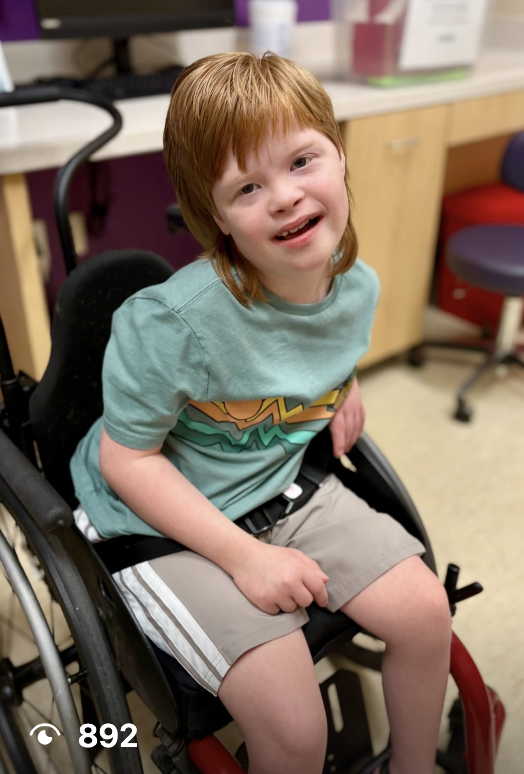
The purpose of this site is simple: create awareness, make trustworthy information easier to find, and encourage people to look beyond a diagnosis.
Help more people understand that Down syndrome and autism can occur together — and that every person’s experience is different.
Bring together accessible information and links to reputable organizations, government resources, and research.
Encourage families, educators, professionals, and communities to see the individual before the diagnosis.
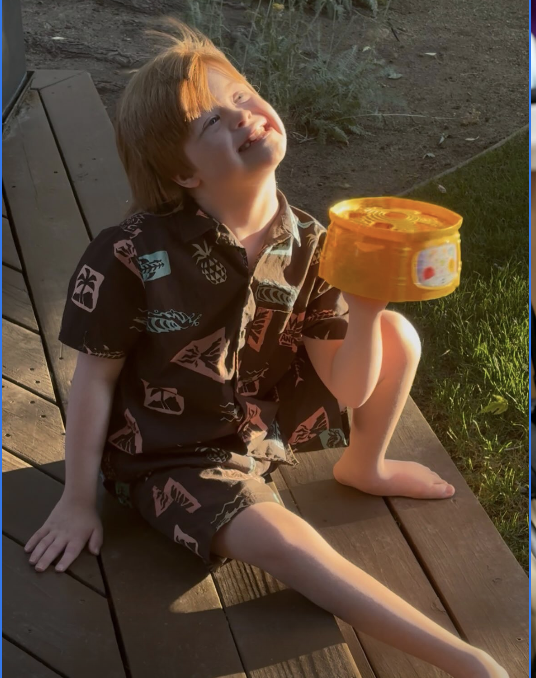
Micah is 10 years old and is at the heart of this project.
The family photographs shared for this site show a child who is smiling, exploring, and enjoying everyday moments. As his family provides more of his own story, this space will grow with their words and experiences.
Read Micah's storyDown syndrome and autism are distinct conditions. When they occur together, understanding the individual may require looking at communication, learning, sensory experiences, routines, behavior, and support needs from more than one perspective.
A genetic condition involving an extra copy of chromosome 21. People with Down syndrome have a wide range of abilities and support needs.
A developmental disability associated with differences in communication, interaction, learning, behavior, and sensory experiences. Autistic people are diverse.
A dual diagnosis can help explain needs that might otherwise be overlooked. Support should be individualized to the person.
“A diagnosis can help us understand someone. It should never be the only thing we see.”
We prioritize established organizations, government health information, and peer-reviewed research.
Practical information, support, advocacy, and community resources.
Family resources →Ideas for inclusive learning, communication, collaboration, and individualized support.
Educator resources →Research and evidence-informed resources to support assessment and practice.
Professional resources →Welcome to WordPress. This is your first post. Edit or delete it, then start writing!
Read article →